
5 Ways Upgraded Air Compressors Improve Plastics Manufacturing Uptime
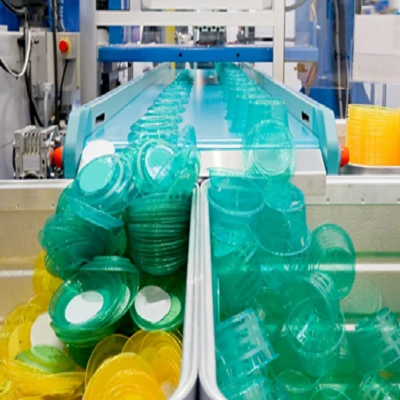
Downtime in plastics manufacturing doesn't stay contained. Quality problems can emerge at any time and shipments can get delayed. Manufacturing facilities depend on compressed air to power critical processes like injection molding, blow molding, extrusion and thermoforming. Upgrading to industrial air compressors, for plastics makes a big difference. You get reliability and you save energy. Old equipment just cannot do this. There are five areas where you will see the biggest improvements.
1. Reduce Costly Production Stoppages
Unplanned downtime is really bad for plastics manufacturers. It can cause a lot of problems for small and medium-sized businesses. When plastics manufacturers have downtime they can lose a lot of money. The costs for plastics manufacturers can be very high up to $150,000 per hour for plastics manufacturers. This includes things like lost production, wasted materials, labor costs for plastics manufacturers and delayed orders, for plastics manufacturers. Expedited shipping, overtime pay and potential contract penalties can make the loss even bigger.
Compressed air keeps plastics operations running. When air compressors break down or do not work properly the whole production line comes to a halt. The air compressors that are used in the plastics industry are really good at stopping this from happening because they have ways to keep an eye on things extra parts and plans in place to fix problems before they happen. This is especially important for air compressors, in the plastics industry.
2. Improve Part Quality with Cleaner Air
Contaminants in air are a big issue. They can really mess up the quality of the air. Compressed air contaminants are something we need to think about. Compressed air has contaminants that can cause problems, with the quality. Oil droplets, water vapor and particles get into the production stream and cause defects like surface blemishes, weak bonds and dimensional problems. Rework costs and tainted customer relationships follow.
The international standard ISO 8573-1:2010 sets purity classes for compressed air. This standard lays out exactly what’s allowed when it comes to particles, water, and oil. To hit Class 0—the highest level of purity where there’s zero oil in the air—you need equipment that’s specifically built to keep contamination out.
Quincy Compressor addresses air quality requirements with specialized technologies. Its QOF series, in particular, uses scroll compressor design to deliver 100% oil-free compressed air. Two interlocking spirals condense air without needing a lubricant in the chamber. Its WIS series takes a different approach with water-injected screw compression to reach Class 0 air quality. Either way, you get the steady pressure or volume plastics plants need without worrying about contamination.
3. Reduce Energy Consumption and Operating Costs
Energy costs are really high for plastics manufacturing facilities. This is one of the expenses they have to pay all the time. Compressors use a lot of electricity. They are a part of the total energy costs. The old compressors that are always running at the speed are a problem. They keep running even when they do not need to. This means they waste energy when the factory is not producing much. The compressors are still using a lot of energy when the factory is slow. This is a waste of energy costs, for plastics manufacturing facilities. Compressors are the issue here.
The variable speed drive technology is really something. It makes a difference. These new compressors can work well even when they are not being used that much, like when they're only working at 25 percent. The old machines were not that good. They would only work well when they were being used at half of the time or even more like sixty percent. This new technology is a lot better. The motor can change how fast it goes all the time to match how much air is really needed. It uses less power when it is not being used as much. The variable speed drive technology is really helpful because it saves energy when the compressor is not running at capacity. This is a deal because the variable speed drive technology helps the compressor use less power when it does not need to work as hard. The variable speed drive technology is a thing to have because it makes the compressor more efficient and it helps reduce power consumption. The variable speed drive technology is very useful when the compressor is not working at capacity so it is a good idea to have the variable speed drive technology.
The gains become obvious in facilities where demand fluctuates. A VSD compressor at 50% load typically uses about 50% of full-load power. For plastics manufacturers running multiple shifts with varying production schedules, VSD technology clearly cuts costs immediately. The compressor draws only the power needed to meet the current demand.
4. Choosing the Proper Compressor for Critical Processes
Not all Manufacturing plants have the same compressed air needs for the different types of work they do. For example injection molding needs air to be flowing all the time at a high pressure. This is so the molds can be controlled precisely and the parts come out cleanly. Blow molding is similar it needs air to keep flowing so that it can make things quickly and the things it makes are quality. Extrusion is a bit different it needs the air pressure to always be the same because if it changes a little bit it can affect how the material moves and the final product will not be the right size. Injection molding and blow molding and extrusion all need air pressure to work right.
By matching compressor capabilities with what's needed by your application, you avoid many production inhibiting performance problems. Common air compressor set-ups in the plastics industry:
- For injection molding, it is advisable to use a rotary screw compressor. Rotary screw compressors deliver a stable supply of high pressure air. Choosing the VSD version makes you less restricted on your production demand as it permits the output to be customized to fit.
- Two stage reciprocating compressors are normally used in the blow molding applications which delivers high pressure air for bottles and containers manufacture. Oil-free designs are to avoid pollution to food grade or pharmaceutical packaging operations.
- Extrusion lines run well on oil-injected rotary screw compressors for non-contact air applications. These units handle the sustained demand of continuous extrusion with minimal maintenance.
- If you have a clean room, you’ll need oil-free scroll compressors to hit those strict air purity standards. They’re small so they can get into tight places.
Quincy Compressor: Solutions for the Plastics Industry
Oil-free compressors particularly for plastics can be purchased from Quincy Compressors. These models achieve Class 0 air quality while maintaining production throughput:
- The QOF 2-30 hp Scroll Compressors are a clean alternative to eliminating oil contamination at the point of origin with a pair of intermeshing spiral. This series provides 100% oil-free air through scroll compression technology with premium efficiency and low maintenance. Available power ranges work for light- to medium-duty plastic applications.
- WIS 20-75 hp Water-Injected Screws replace oil lubrication with water cooling to achieve ISO 8573-1 Class 0 certification. Polymer-ceramic rotors with water-lubricated bearings achieve near-isothermal compression, improving energy efficiency. They are available in air-cooled and water-cooled versions, with optional integrated dryers.
- QOF 75-400 hp Rotary Screws come with smart controls and networking that plug right into your plant’s automation. They’re built tough and easy to work on, which keeps maintenance downtime low and provides all the industrial-scale air you need with zero oil contamination.
To get the compressor that actually meets your needs, you need to look at pressure ranges, duty cycles, and air quality requirements. If you use a unit that’s too small, the compressor will have to run nonstop at maximum power, which burns it out faster. But going too big has its own issues: the unit constantly cycles on and off, causing pressure swings and wasting energy.
5. Enhance System Longevity and Support
Good specs and durable construction matter, but so does manufacturer support. Compressors fail when maintenance gets neglected, replacement parts arrive late or technical help isn't available for troubleshooting.
"Our 100+ years of experience enable us to produce versatile industrial-sized air compressors for just about any application," says Quincy Compressor on its website. The company provides strong warranty protection and 24-hour service support through its network of professional and knowledgeable air experts.
Proper maintenance with genuine Quincy parts and fluids keeps many warranty programs active, protecting core compressor components. Extended warranty plans cover both reciprocating and rotary screw products with longer protection periods than what most competitors offer.
"When a tough application calls for a tough air compressor system, Quincy Compressor answers with True Blue reliability and some of the industry's strongest warranties," the website also notes. The company builds industrial air compressors for plastics and other applications and backs them with technical resources and service support that keep equipment running.
The Right Compressor is Your Key to Staying Up and Running
In short, compressed air is huge for keeping a plant running smoothly, making quality parts, and saving money on operations. When you choose the right gear, your facility can actually hit its production goals instead of dealing with expensive stops.
 Media Pack Download
 Newsletters
 Industrial Events


Author Bio:

Megan Vitanza
Marketing strategist
Megan Vitanza is a marketing strategist, loving mother, wife, bookworm and gamer. As Senior Digital Media Consultant at WebFX, she spends her days researching and producing content for her manufacturing clients. In her off hours she enjoys baby snuggles and cozying up with a good book.